The Benefits of Working On A Pesticide Free Cannabis Farm

One summer I took a part-time job at Sticky Mantis, a Tier 3 cannabis farm in eastern Washington as a trimmer and harvester. This family owned and operated farm near Cheney has been going since the beginning of recreational cannabis in 2013 and still growing strong despite having to deal with the ridiculously low prices of cannabis in eastern Washington.

My job started out one day a week trimming with my friend’s mom which was absolutely wonderful for me because she is one of the funniest women I have ever met and would be cracking jokes all day. Trimming itself for hours and hours is tedious and I would come home covered in cannabis crumbs and smelling of flowers but still satisfied with a full day of work.
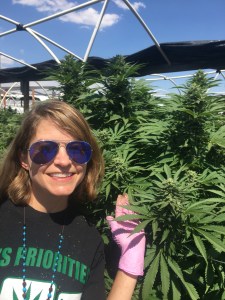
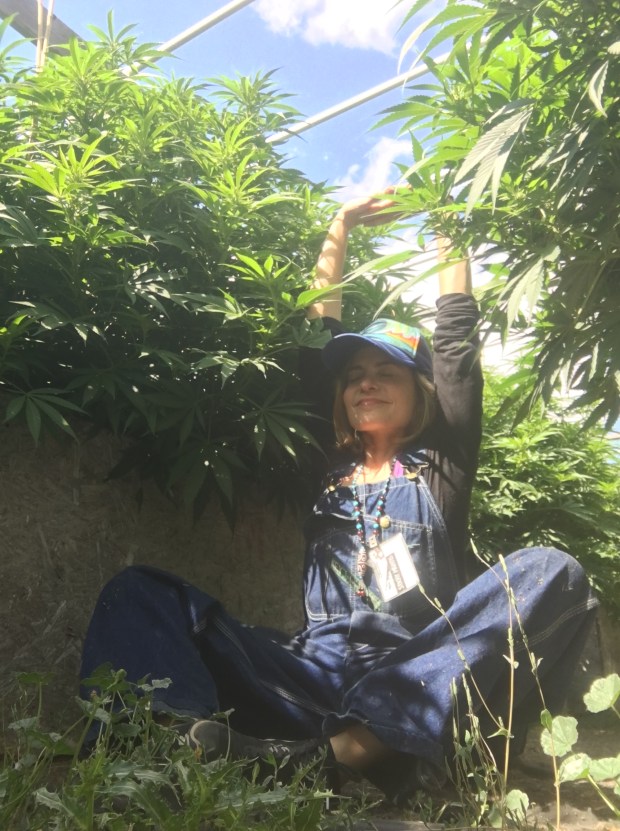
Once they started harvesting I was pulled outside and started working 7 days a week, as needed, cutting down plants. Being outside in the plants was very different work. Much more physical, much stickier, much dirtier, and much smellier.  Rather than go home smelling like cannabis flowers I would go home smelling like a skunk on defense.

If anybody ever tells you that working on a cannabis farm is glamorous, you can bet they have never worked on a farm.

Despite the odor, the impossible to get out stickiness, the minimum wage, the long commute into the country, and occasional nasty weather, I found a lot of reasons to really like this job.
IMG_6486

Here are 5 Benefits I gained from working on a cannabis farm:

1- The Terpenes- It is wonderful to be surrounded by cannabis terpenes when they agree with you. Most cannabis terpenes appear to agree with me but working with so many different strains I was able to observe that different cultivars gave me different feelings. The Bubba Kush gave me the yawns, Futureman made me feel positive and motivated, and Monsterberry was one I personally didn’t enjoy smelling or working with. Everybody on the crew had different reactions to each plant, it was interesting.

2- The Fresh Air- Working outside all day was a treat for me. Since Sticky Mantis is a pesticide free farm with healthy plants, I was able to enjoy a healthy working experience on the farm. Watching huge cannabis plants dance in the wind around me was somewhat magical.

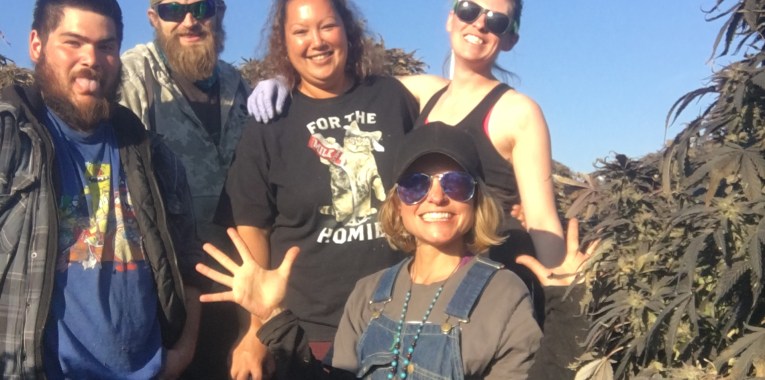
3- The People- The small group at Sticky Mantis was mostly family and their dynamic made being on the farm a little more fun. Take a healthy mix of personality quirks, ambition, love, and jokes, with more hard work and you get a team that keeps dialing in their craft with each season.

4- The Sunshine- After living in the Seattle area for many years, having a job on the east side of the state in daily sunshine getting regular Vitamin D for months was a really nice change.

5- The Water- This is again exclusive to the farm I was working on, but they had a water spigot that pumped out fresh, untouched, mineral rich well water. I would take my own water bottles and hydrate as often as possible. Such a perk!

In the end I have to say that getting on a good harvest crew is a rather exciting, challenging, grueling, and rewarding thing to do. Working with plants or dried flowers is not overly stressful and if you get good at it it becomes rewarding in a whole new way. The challenging part of the work is keeping your stamina through harvest when you are putting in long physical hours for weeks until it is done.

I definitely left that farm with a larger appreciation for how important the farmers are and how valuable their level of knowledge is and has been for keeping this plant alive and thriving.
Tips For Growing Raw Cannabis In The Vegetable Garden

image

As cannabis legalization slowly spreads around the world, more people are taking advantage of being able to grow small amounts of medicinal or personal recreational marijuana in their private gardens.

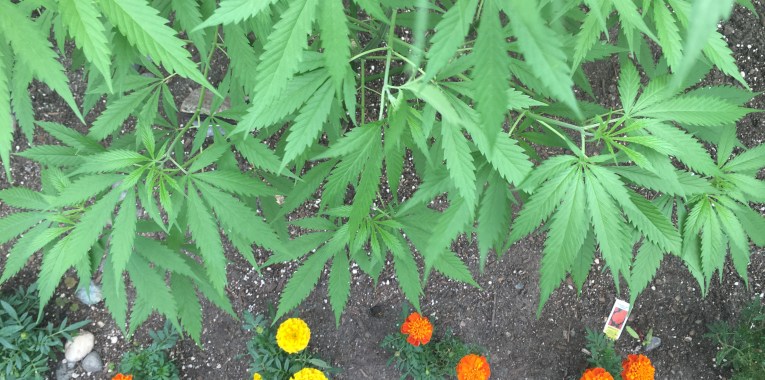
Growing cannabis in your backyard garden is a special thing. For the past several years I have been growing my own small amounts of medical cannabis outside in the vegetable garden during summer season. Learning as I grow this unique plant has been fascinating and challenging as something that I do to take charge of my health needs.

I grow cannabis with the intention of eating leaves off of them all season and then harvesting a portion of the buds during the end of the plant’s life. Yes, I eat my plants.

While you can find thousands of hot tips about growing cannabis, I have created for you a simplified a short list of things I do to successfully grow and eat off my plants until harvest time.

  1. Plant herbs and low growing root vegetables along borders and throughout the garden that will detract pests and feed nutrients to the soil.
  2. Let the soil dry slightly between waterings. This promotes stronger root growth as they reach out seeking water when the soil gets dry enough. Stick a moisture reader in the dirt to monitor how much water is needed. Watch the leaves, when they droop they may need a drink and when they are reaching up for the sky they are likely full enough.
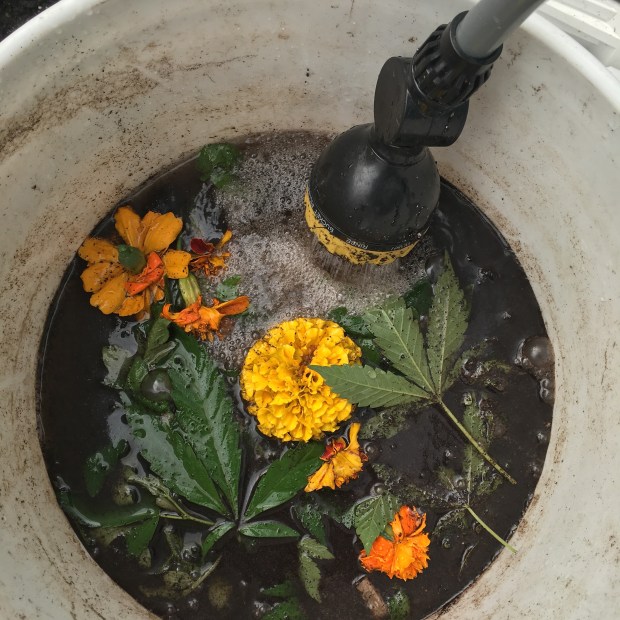
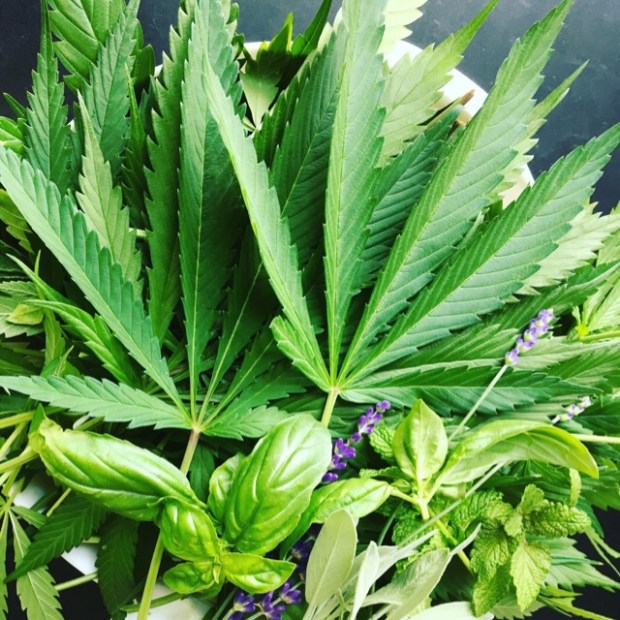
  3. Feed your garden once or twice a month with probiotic organic teas to feed nutrients to the soil and roots. I make teas with powdered kelp, bokashi, cannabis leaves, flowers, molasses, etc…natural ingredients. Because I am eating my plants, they are never grown with the use of pesticides or chemicals.
  4. Defoliate around the new moon when the plant’s growth is concentrated on the roots. Take leaves near the bottom to increase airflow and the big water leaves creating shade. Taking off about 25% of the leaves off increases nutrient flow to forming flower buds without stunting the plants growth. Note that the biggest reason that you are defoliating is so that you can eat the leaves! Get them processed and stored in the fridge right away for fresh consumption.
IMG_1912
Organic compost tea.

5. Look at your plants everyday. I’ve been told this by more than one cannabis grower and while it seems overly simplistic, I would say that it is one of the most important tips for maintaining a healthy garden. Talking to your plants while you are spotting for pests, broken limbs, and problems as early as possible really allows for quick action to keep the growing season fruitful. On the other hand, part of the beauty of growing outdoors is that mother nature will look after your plants if you ever really have to leave them for a day or two.

Before you go out there and start planting Kush in with the broccoli, make sure that you are up on the local marijuana laws in your area. If you find out that you are not able to grow cannabis plants in your garden, the next step is to contact your legislators and ask them to support cannabis legalization and homegrown in your area. www.norml.org

Before we know it, with a little more work, gardening cannabis with vegetables will be normal.

Pam Dyer is a Holistic Health Coach who trains people with scoliosis and chronic illness how they can improve sleep, gut health, immunity, and brain function to live full and hurt less.  To book a consult with Pam please email:  butterflysessions@gmail.com